Jul 8, 2026Formulation Science
The Science of Formulation: Why Copper Tripeptide-1 and Colloidal Silver Should Not Coexist in Post-Microneedling Serums
Explore the cosmetic science behind formulation compatibility. Learn why Copper Tripeptide-1 and Colloidal Silver are incompatible in post-microneedling recovery serums.
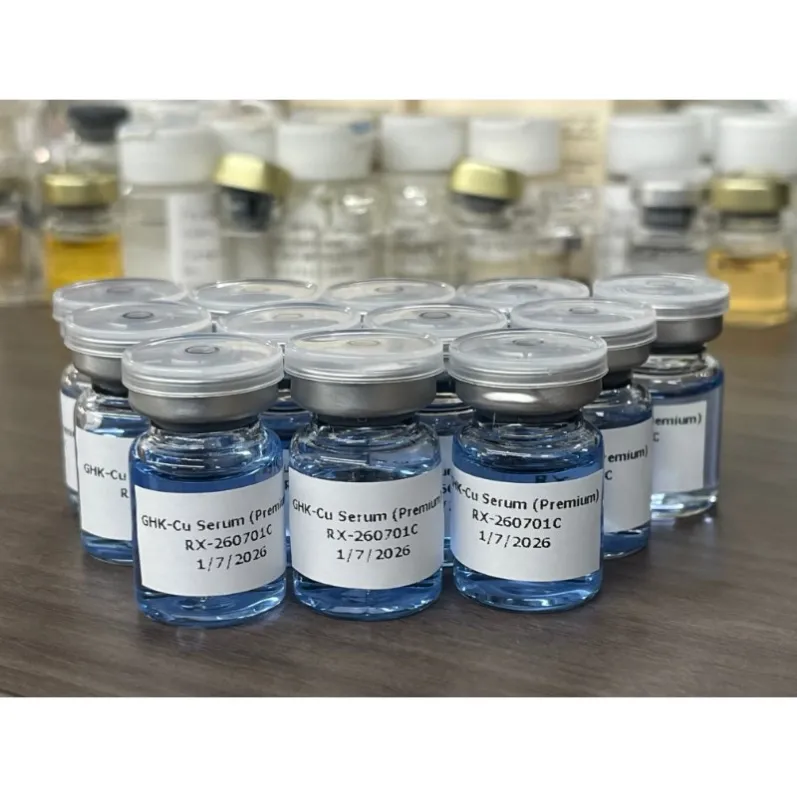
In the professional medical aesthetics field, microneedling is highly favored for its ability to support collagen regeneration and improve overall skin texture. However, because the skin barrier is temporarily compromised post-treatment, the newly created "micro-channels" impose exceptionally strict requirements on the safety, mildness, and stability of any topically applied products.
Recently, we collaborated with a well-known U.S. aesthetic clinic to develop a micro-infusion recovery serum designed specifically for post-microneedling care. The client's objectives were highly defined: the formula needed to be exceptionally gentle while prioritizing barrier repair, deep hydration, and visible skin rejuvenation.
During the formulation phase, the client expressed a strong interest in incorporating colloidal silver, a signature ingredient central to their brand identity and utilized in several of their existing formulations. However, following rigorous laboratory analysis and evaluation, we ultimately advised against including colloidal silver in this specific formula.
Today, we want to share the scientific reasoning behind this decision from the perspective of cosmetic chemistry and formulation stability.
The Core Conflict: When Copper Tripeptide-1 Meets Colloidal Silver
To achieve optimal post-treatment recovery and skin rejuvenation, Copper Tripeptide-1(commonly known as copper peptide) was selected as the core active ingredient. Copper Tripeptide-1 is well-regarded for its ability to support wound healing and stimulate the synthesis of collagen and the extracellular matrix, making it an ideal fit for post-microneedling recovery.
However, introducing both Copper Tripeptide-1 and colloidal silver into the same aqueous system presents significant formulation risks:
1. Disruption of Colloidal Charge Stability
The uniform suspension of colloidal silver in a liquid depends on electrostatic repulsion between silver nanoparticles (measured as Zeta potential). Copper Tripeptide-1, on the other hand, is a complex formed by copper ions and a tripeptide, which exhibits ionic characteristics in solution. Introducing electrolytes or ionic actives can easily disrupt the charge balance stabilizing the colloidal silver, causing the silver nanoparticles to aggregate and precipitate out of solution.
2. Potential Redox Reactions and Discoloration
Both copper (Cu) and silver (Ag) are transition metals. In a complex aqueous environment, copper ions in the tripeptide complex and the colloidal silver particles may undergo electron transfer or ligand competition. This potential reaction can directly destroy the characteristic blue color of Copper Tripeptide-1, resulting in instability issues such as fading, graying, or muddy yellowing over time.
3. Risk of Peptide Degradation
Mutual interference within multi-metal systems can also accelerate the degradation of peptide chains. If the complex structure of Copper Tripeptide-1 is compromised, its biological efficacy in promoting skin repair will be significantly diminished, failing to meet the clinical expectations of post-microneedling recovery.
Why Post-Treatment Skin Demands Absolute Stability
Formulations intended for post-microneedling application leave no room for compromise. If a product undergoes physical or chemical degradation during its shelf life:
- Precipitated metal particles could cause physical irritation to the compromised skin barrier.
- Degradation byproducts increase the risk of contact dermatitis or adverse allergic reactions.
Therefore, ensuring long-term stability and chemical compatibility is crucial for protecting both consumer safety and brand reputation.
A Scientific Approach: The Alternative Solution
In R&D, the chemist’s role is not only to identify challenges but to find the delicate balance between efficacy and safety. After explaining these compatibility risks objectively, we earned our client’s trust and collaboration.
To achieve the desired soothing, anti-inflammatory, and antimicrobial benefits without relying on colloidal silver, we worked with the client to adjust the formulation strategy:
- Prioritize Copper Tripeptide-1 as the primary driver for repair and rejuvenation.
- Introduce high-purity Madecassoside and Panthenol (Provitamin B5) to synergistically enhance barrier repair and deep hydration.
- Employ an ultra-gentle, non-irritating preservative alternative system suitable for compromised skin, fulfilling the antimicrobial role originally intended for colloidal silver.
Conclusion
Developing a high-performance professional skincare product requires a careful assessment of ingredient synergy. Sometimes, ensuring safety and efficacy means knowing when to say "no" to certain ingredient combinations—a choice that reflects the true rigor of cosmetic science.
We are glad to work with clients who share our commitment to high professional standards. On the path of skincare innovation, data and chemical principles remain our most reliable guides.